


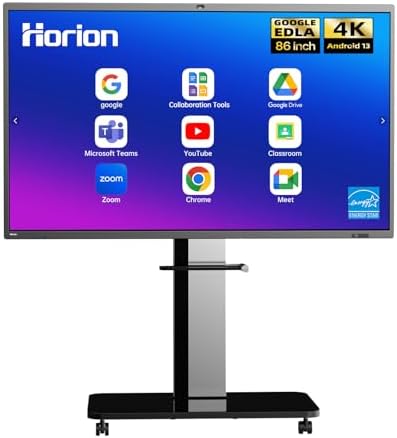


Shopping for technology has never been easier, but it has also never been more overwhelming. With countless options available, knowing how to buy electronics online wisely can save you money, time, and frustration. In this guide, we’ll break down the key tech specs you should understand, the mistakes to avoid, and how to compare products effectively so you can make the best possible purchase.
Why Understanding Tech Specs Matters Before You Buy Electronics Online
In today’s fast-paced digital world, product pages are filled with flashy words and tempting discounts. However, without understanding the tech specifications, you risk buying something that looks great on paper but fails to meet your needs.
Here’s why it matters:
- Tech specs help you compare products beyond brand hype.
- They reveal the true performance of a device.
- They prevent you from overspending on unnecessary features.
💡 Tip: Think of tech specs as the “nutrition label” for electronics — they tell you exactly what’s inside and how it will perform.

- 6.2” LCD screen
- Three play modes: TV, tabletop, and handheld
- Local co-op, online, and local wireless multiplayer
Key Specifications You Should Know When Buying Electronics Online
When shopping for devices like laptops, smartphones, or TVs, certain specifications will have a bigger impact on your experience than others. Let’s break them down.
Processor (CPU) ⚡
The CPU is the brain of your device. Measured in GHz, it determines how quickly tasks are processed. While a higher GHz often means better performance, the number of cores also matters. For multitasking or gaming, a quad-core or higher is recommended.
Graphics Card (GPU) 🎮
If you’re into gaming, video editing, or graphic design, pay close attention to GPU specs. A dedicated graphics card with higher memory ensures smoother visuals and faster rendering.
Memory (RAM) 💾
RAM affects how many tasks your device can handle at once. While 8GB RAM is fine for casual use, 16GB or more is better for heavy multitasking or creative work.
Storage (HDD vs SSD) 📂
Solid-State Drives (SSD) are faster than Hard Disk Drives (HDD). Choosing an SSD can mean quicker boot times and faster app launches, which is a huge productivity boost.
Display 📺
From LCD to OLED, display type affects brightness, color accuracy, and battery life. For vibrant colors and deep blacks, OLED is hard to beat.
Connectivity 🔗
Check for the latest USB and Wi-Fi standards to ensure faster data transfer and better internet speeds.

- Custom acoustic architecture and updated drivers for powerful Beats sound.
- Personalized Spatial Audio with dynamic head tracking.
- Ultralight ergonomic design for all-day comfort. Flex-grip headband and ergonomically angled, adjustable ear cups for a …
Comparing Products Before You Buy Electronics Online
Before clicking “Add to Cart,” you should always compare products side by side. Here’s how:
- Create a comparison chart listing CPU, RAM, storage, display, and price.
- Prioritize features based on your intended use. For example:
- Gamers → GPU, refresh rate, cooling system.
- Professionals → CPU power, RAM, display resolution.
- Casual users → Battery life, storage, price.
📊 Pro Tip: Avoid getting swayed by vague marketing terms like “ultra-fast” or “next-gen.” Look for measurable specs instead.
The Role of Compatibility and Upgradability
When you buy electronics online, you’re making an investment — so think about the future.
- Compatibility means your device works seamlessly with your other gadgets and software.
- Upgradability means you can improve its performance later without replacing it entirely.
For example, if you buy a laptop, check whether you can upgrade the RAM or storage in the future. This small detail can extend your device’s lifespan by years.
Matching Tech Specs to Your Needs
Not everyone needs the most powerful (and expensive) device.
Gamers 🎯
Look for a high refresh rate, powerful GPU, and sufficient cooling. SSD storage is a must for faster game loading.
Professionals 🧑💻
Designers, video editors, and programmers need high-resolution displays, strong CPUs, and plenty of RAM.
Casual Users ☕
If your main activities are browsing, streaming, and emailing, focus on battery life, ease of use, and reliability rather than top-tier specs.

- REBUILT FOR COMFORT — AirPods 4 have been redesigned for exceptional all-day comfort and greater stability. With a refin…
- PERSONALIZED SPATIAL AUDIO — Personalized Spatial Audio with dynamic head tracking places sound all around you, creating…
- IMPROVED SOUND AND CALL QUALITY — AirPods 4 feature the Apple-designed H2 chip. Voice Isolation improves the quality of …
Using Online Reviews and Expert Opinions Before You Buy Electronics Online
While specs tell you what’s inside, reviews tell you how it feels to use the product.
- Customer reviews reveal real-world performance and common issues.
- Expert reviews provide in-depth analysis and benchmark comparisons.
🔗 External Resource Suggestion: For unbiased product reviews, check sites like TechRadar or CNET.
Pitfalls to Avoid When Interpreting Tech Specs
When shopping online, watch out for these common mistakes:
- Being fooled by vague labels like “HD” without checking actual resolution.
- Ignoring real-world performance in favor of impressive numbers.
- Overlooking bottlenecks, such as a powerful CPU paired with low RAM.
Smart Buying Tips for Electronics Online
- Set a budget and stick to it.
- Research the product using at least two reputable review sources.
- Compare prices across multiple platforms — but factor in shipping and warranty.
- Look for sales during events like Black Friday or Cyber Monday.
📌 You may be interested in: Best Black Friday Electronics Deals You Shouldn’t Miss in 2025!
Final Thoughts on How to Buy Electronics Online
By understanding tech specs, comparing products, and reading reviews, you can shop confidently and avoid costly mistakes. Remember: the best device is not the one with the highest specs, but the one that matches your needs, budget, and lifestyle.
📸 Follow Us on Instagram!
Enjoyed this article? Then don’t miss out on what we share on our Instagram community 💙
Exclusive tips, daily inspiration, updates, and more... We’d love to have you there!



I’m Adrian Doria, a Computer Engineer with a passion for e-commerce, digital marketing, and web development. I’m driven by curiosity to understand how things work and a constant motivation to build solutions that truly deliver value.
Throughout my career, I’ve combined technology and creativity to develop digital projects that not only work but also resonate. I love sharing what I learn, exploring new tools, and being part of communities where knowledge flows freely.
I believe in the power of ideas when they’re turned into action—and in the potential we all have to build something extraordinary with the right tools.